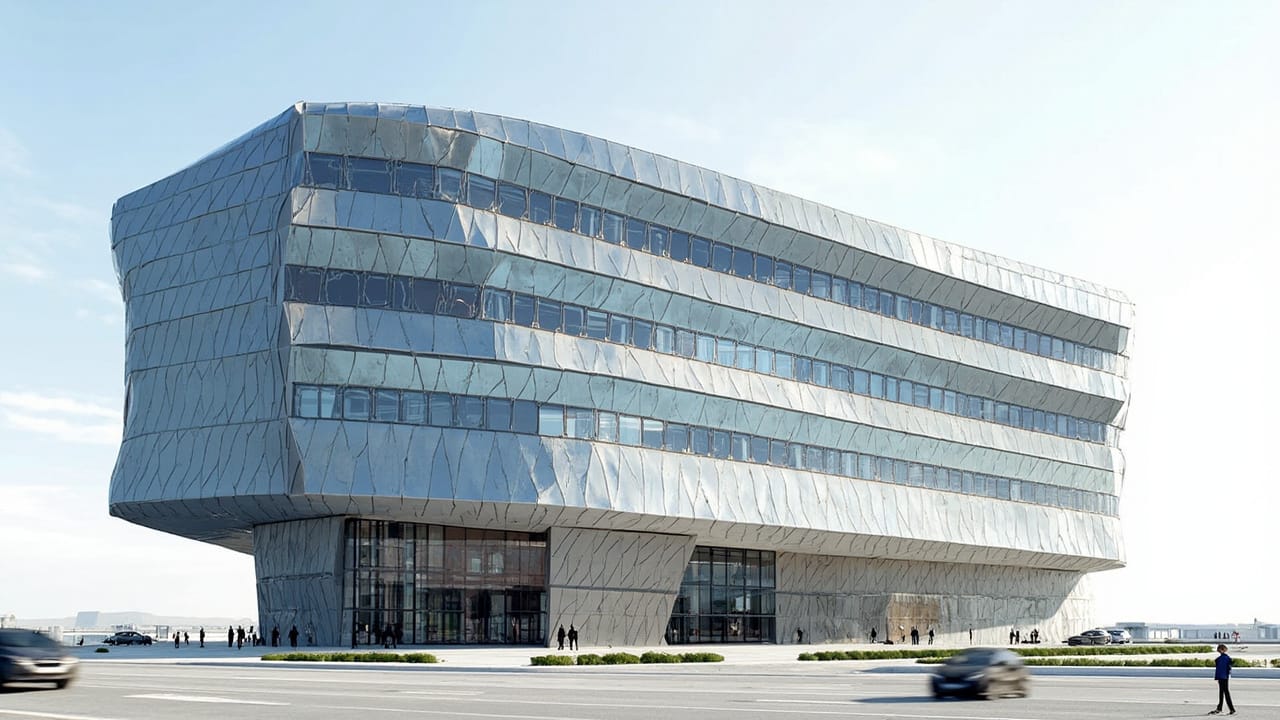
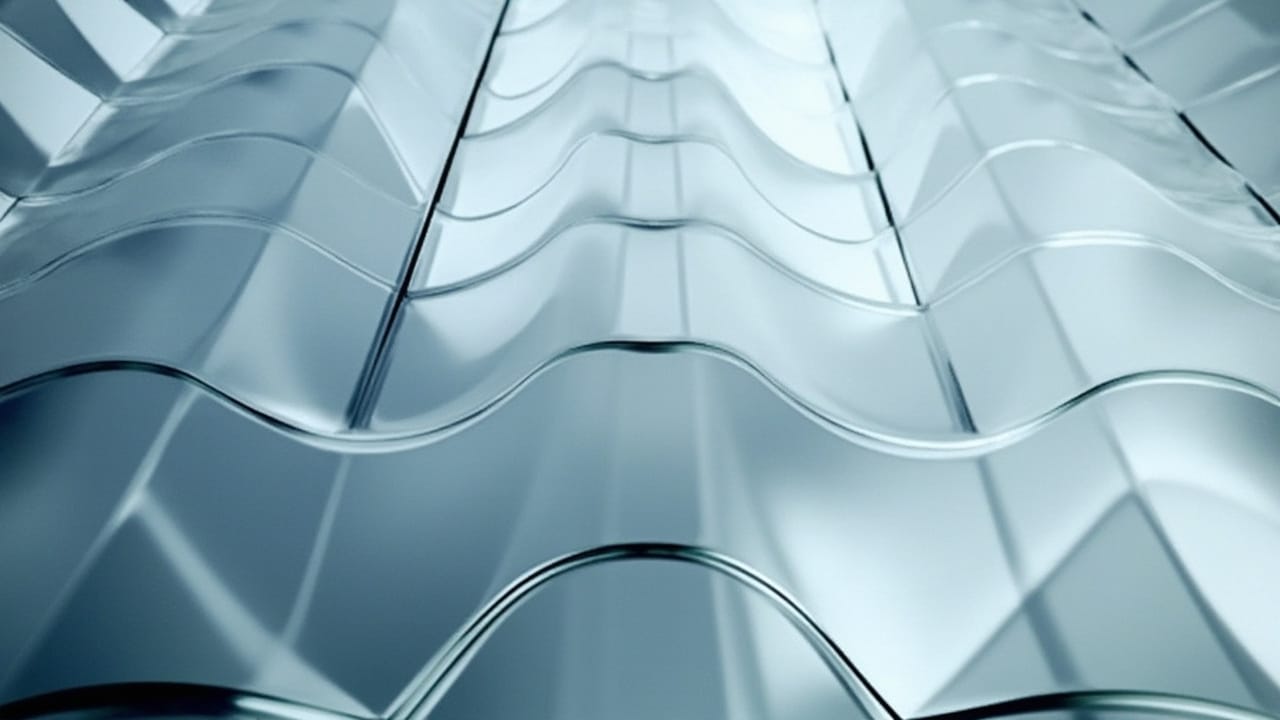
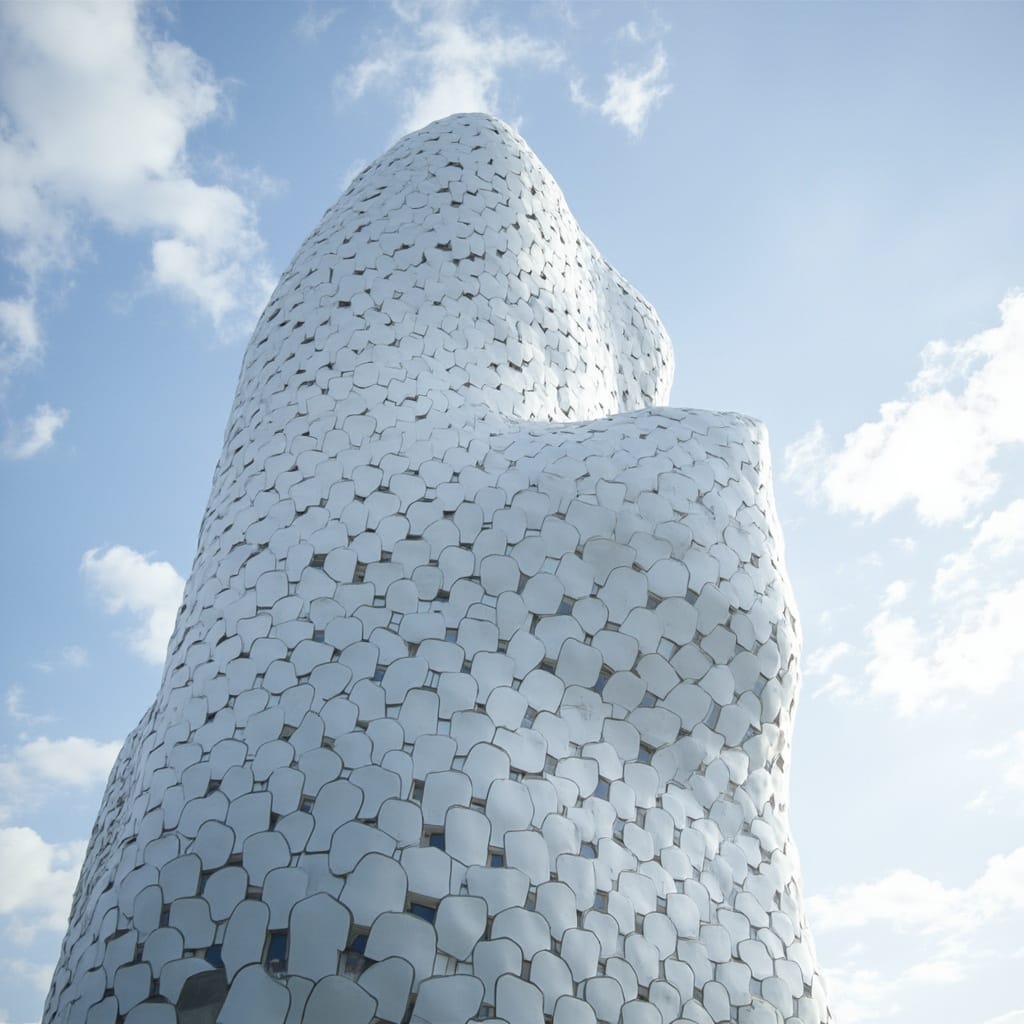
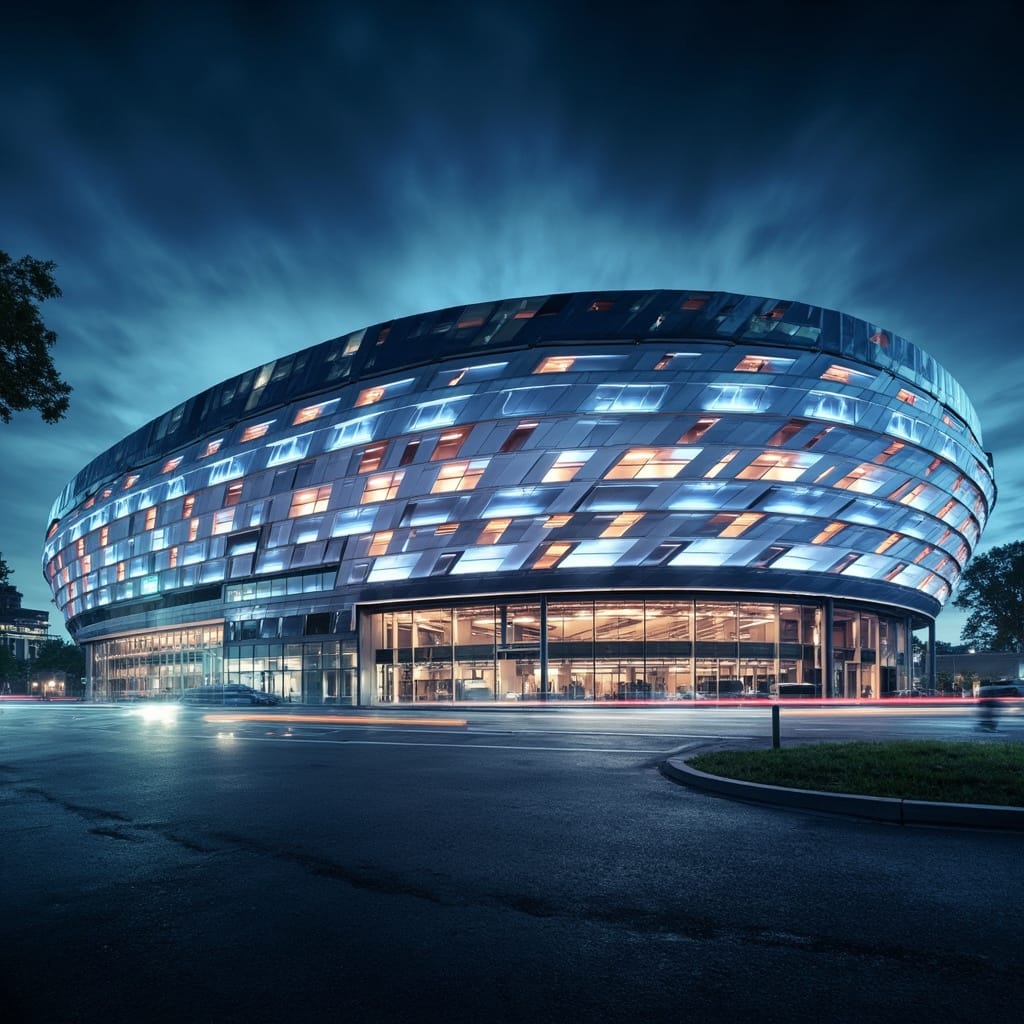
Hyperbolic & Curved Aluminum Facade
البيانات الأساسية
E الخبرة المتخصصة
A curved facade is only as good as its waterproofing engineering. I've seen multiple iconic buildings with stunning curved aluminum cladding that developed severe water ingress within 3 years of completion—because the fabricator prioritized aesthetics over drainage engineering. For a hyperbolic tower project in Shenzhen, we designed a 4-layer waterproofing system: structural backing → waterproof membrane → ventilated cavity → pressure-equalized outer joint. The key innovation was using computational fluid dynamics (CFD) to model wind pressure distribution across the curved surface, which allowed us to optimize joint spacing and sealant depths. The result: zero water ingress reported in 7 years of operation. We strongly recommend 1:1 physical mockup testing for any project with compound curves.
T المواصفات التقنية
**Core Specifications:**
• Curvature types: Single curvature (cylinder) / Compound curvature (hyperbolic, parabolic, spherical) / Conical
• Panel sizes: Up to 2500mm × 4000mm per piece (larger panels require segmental construction)
• Thickness: 2.5mm – 5.0mm (based on curvature radius and wind load)
• Minimum curvature radius: 300mm (aluminum) / 150mm (aluminum composite)
• Material: AA1100 / AA3003-H24 / AA5005
• Surface finish: PVDF (standard for exterior) / Powder coat
• Seam types: Telescopic / Overlap / Butt joint (selected per waterproofing design)
• Waterproofing: Multi-layer system with pressure-equalized joints (PEJ)
• Design software: Rhino + Grasshopper + Kangaroo for form-finding; SAP2000 / ETABS for structural analysis
• Mockup: Full-scale weather performance test (ASTM E1105) available