
Vista previa del producto
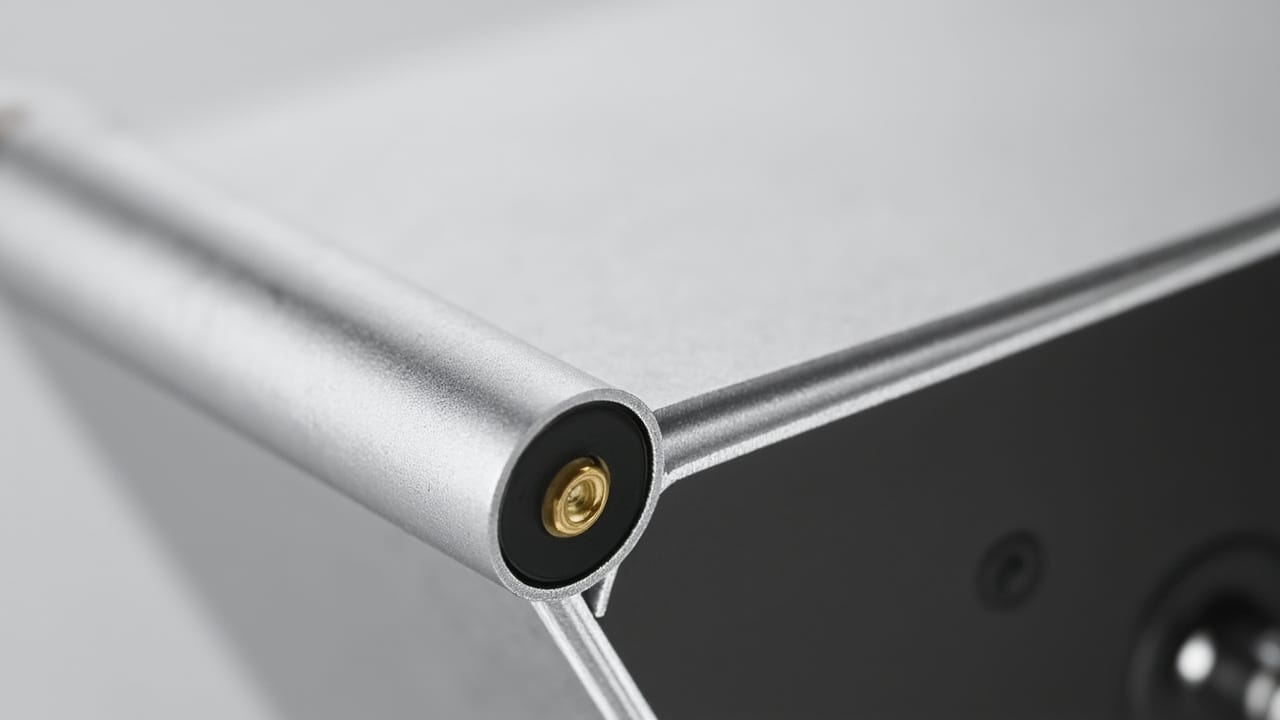
Detalle del producto
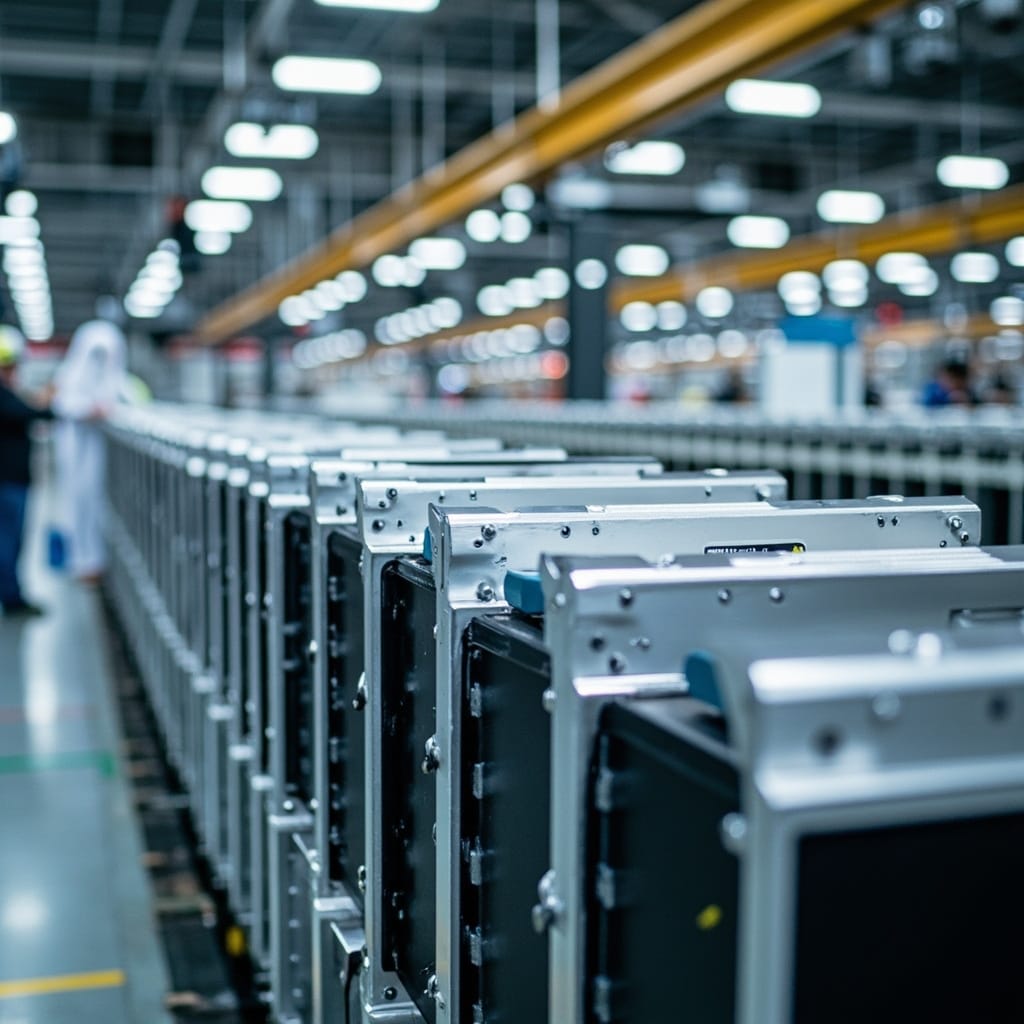
Escena de aplicación
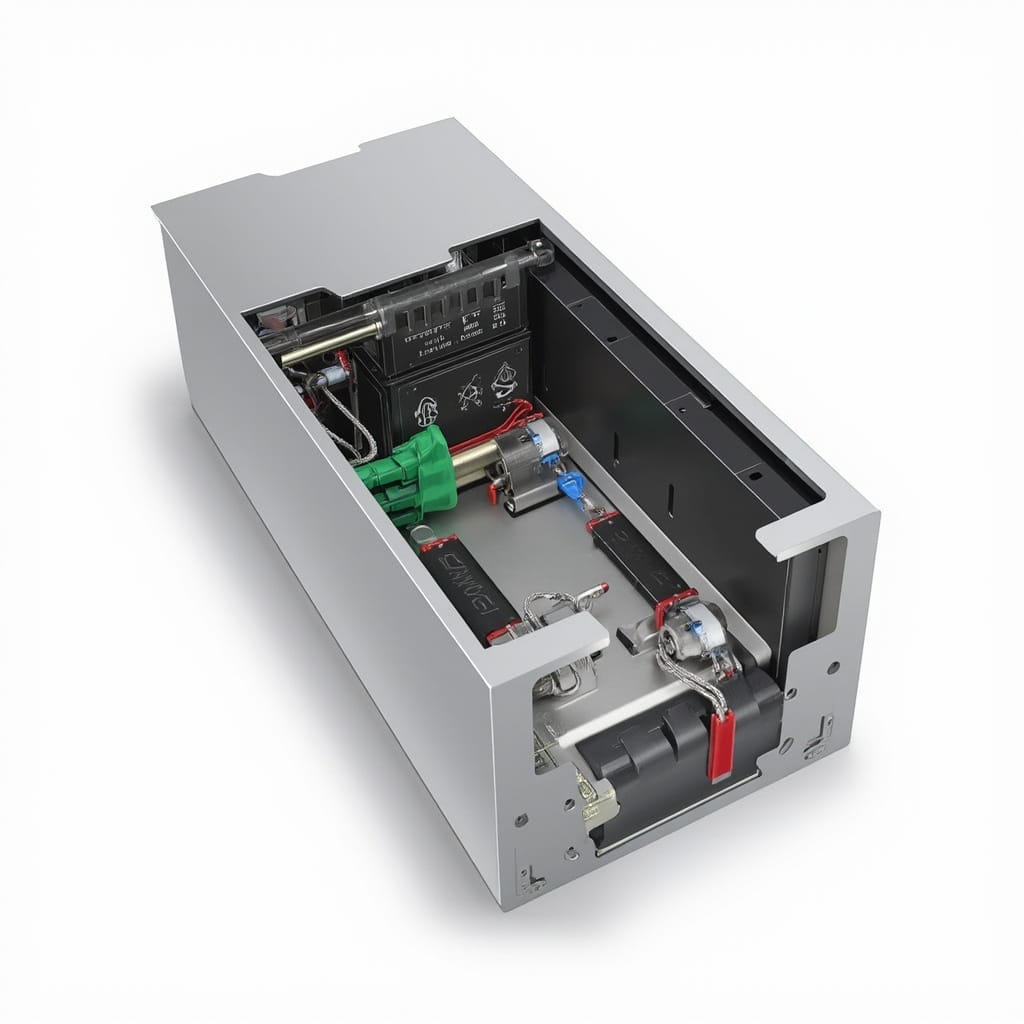
Caso de proyecto
EV Battery Enclosure Aluminum
Datos Principales
Precisión: ±0.1mm
Espesor: 1.5-3.0mm
Recubrimiento: PVDF/PE
Garantía: 15-25 سنة
Capacidad: 30000㎡/شهر
Entrega: 7-30 يوم
E Experiencia experta
I spent 4 years supporting EV battery programs before joining Dalv, and the #1 failure mode I saw was thermal runaway spreading between cells due to inadequate cooling plate contact. We address this with a proprietary brazing process that achieves 95%+ interfacial contact between the cooling tube and aluminum plate—compared to the 70–80% contact achieved with mechanical pressing methods used by competitors. For a major Chinese EV OEM's 80kWh battery pack, our cooling plates achieved a thermal resistance of just 0.15°C/W (versus 0.28°C/W industry average), allowing faster DC fast charging without cell overheating. We also provide FAI (First Article Inspection) reports with CMM dimensional data for every production batch.
T Especificaciones técnicas
**Core Specifications:**
• Materials: AA3003-O (for stamping) / AA4045 / AA4343 (brazing sheet)
• Wall thickness: 0.5mm – 3.0mm (stamped components)
• Cooling plate thermal resistance: ≤0.18°C/W (tested per IEC 62660-1)
• Leak rate: ≤1×10⁻⁶ mbar·l/s (helium leak test)
• Dimensional tolerance: ±0.1mm (stamped) / ±0.3mm (welded assemblies)
• Surface treatment: Chemical film (RoHS compliant) / E-coat / Powder coat
• Welding: MIG / TIG / Laser (depending on joint requirements)
• Quality documentation: PPAP Level 3, IMDS registration, RoHS/REACH declaration
• Production capacity: 500,000 pieces/month (stamped) / 50,000 assemblies (welded)
Aplicaciones
Estaciones de Metro
Estadios
Hoteles
Comercial
Industrial
Fachadas